
Emergency Water Damage Drying and Removal in Sun Lakes
After a burst pipe, a failed appliance line or a backup, the first hours decide how far the water spreads. Water is removed, the structure is dried, and damaged material is taken out. This page covers removal and drying only.
- Licensed and insured plumbers
- Same-day service when available
- 24/7 emergency dispatch
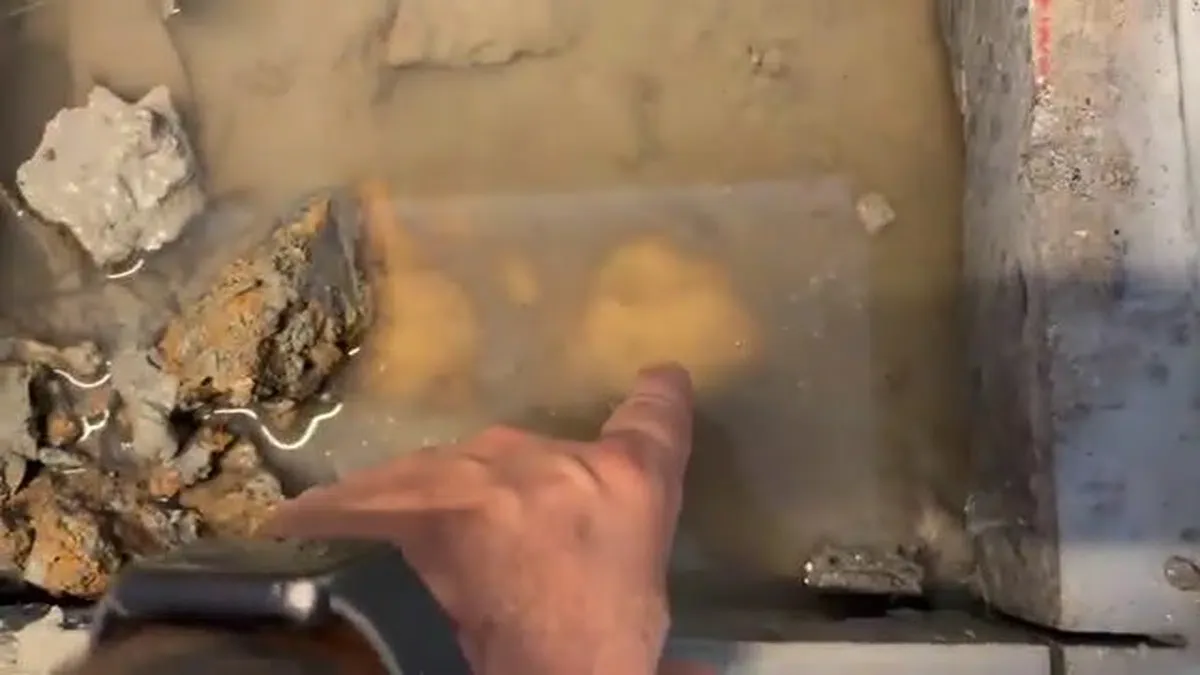
Damage Assessment: Finding How Far the Water Went
Water travels farther than it appears to. It soaks into drywall, runs under flooring and wicks up walls, so a wet spot on the carpet may be a small part of the problem. An assessment maps wet areas with a moisture meter and marks what needs to come out and what can be dried in place.
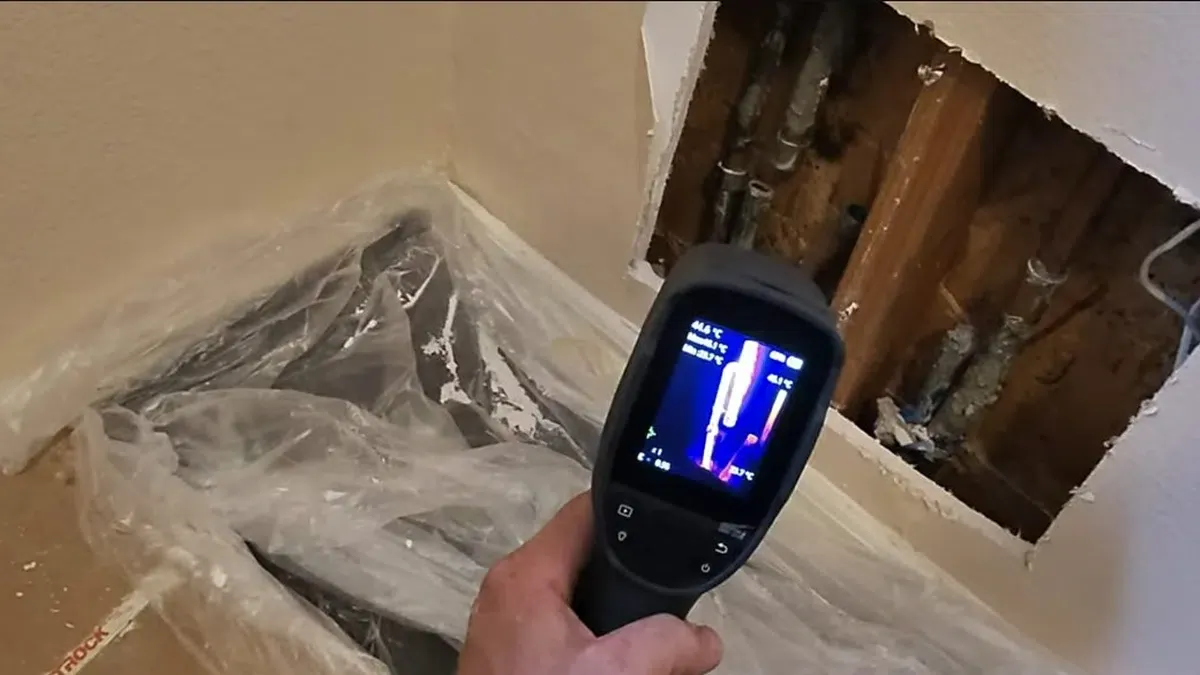
Take photos and video of everything before cleanup begins, including the source and any damaged belongings. Keep damaged items until your insurer has seen them. The plumber who stops the source and the crew who dries the structure often work in sequence, so tell dispatch what has and has not been shut off.
First minutes: stop the water at the source if you can, shut off power to wet areas only if you can reach the breaker without standing in water, and move valuables to dry ground.
Water Extraction: Removing Standing Water Quickly
Standing water is pumped out first, then surfaces are extracted with wet vacuums. The faster this happens, the less water soaks into building materials. Carpet and padding are often lifted and removed, because trapped water in padding dries slowly and invites damage.
- Stop the source and make the area safe.
- Pump or vacuum standing water.
- Remove soaked padding and unsalvageable material.
- Set air movers and dehumidifiers.
- Check moisture readings until walls and floors are dry.
Drying equipment runs for days, not hours, so expect noise and warm rooms. Moisture readings, not appearance, show when a structure is dry.
Standing Water or Soaked Walls? Call Now
Local • Plumbing • 24/7 dispatchFast removal limits how much material has to be torn out.
☎ (480) 581-1832What Is Usually Dried and What Is Usually Removed
| Material | After clean water | After a sewage backup |
|---|---|---|
| Drywall | Often dried if caught early | Removed |
| Carpet padding | Usually removed | Removed |
| Carpet | Often dried and cleaned | Removed |
| Tile and sealed stone | Dried and cleaned | Cleaned and disinfected |
| Hardwood | Dried, then checked for cupping | Often removed |
| Insulation | Removed if soaked | Removed |
These are general patterns. The final call depends on how long material stayed wet and what the readings show.
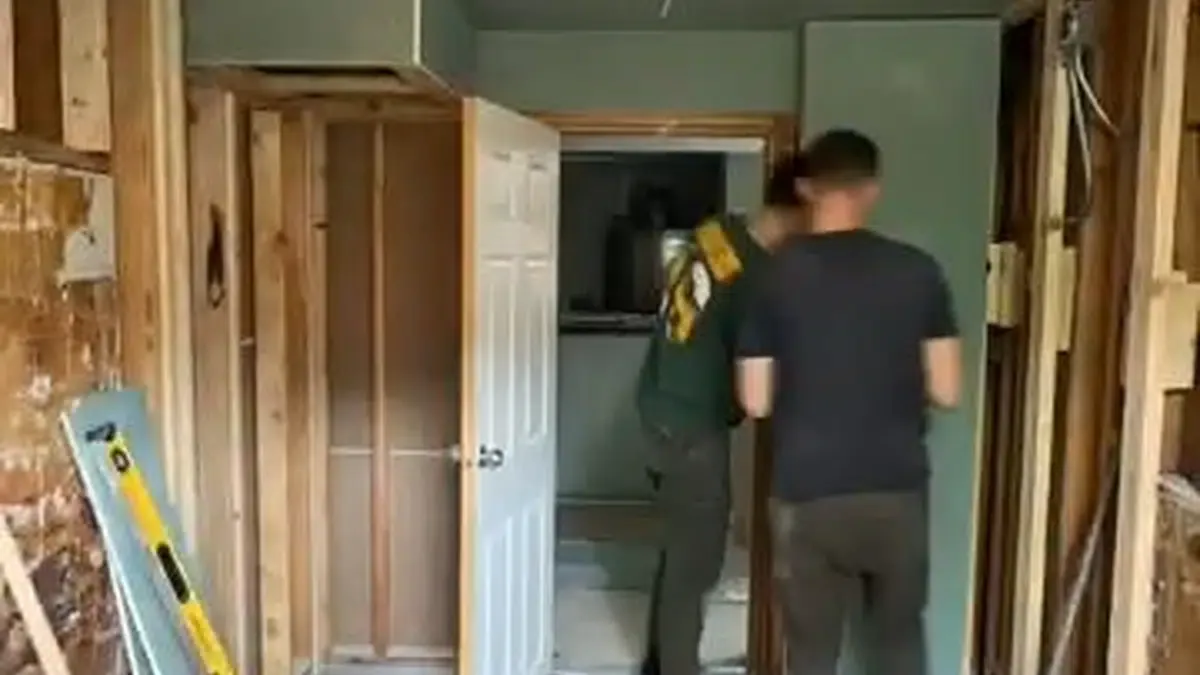
Burst Pipe and Plumbing Leak Damage
A split supply pipe can release many gallons in minutes, while a slow leak inside a wall can soak insulation and drywall for weeks. Both leave wet material behind. The plumber repairs the pipe, and the drying work then removes the water the leak left behind.
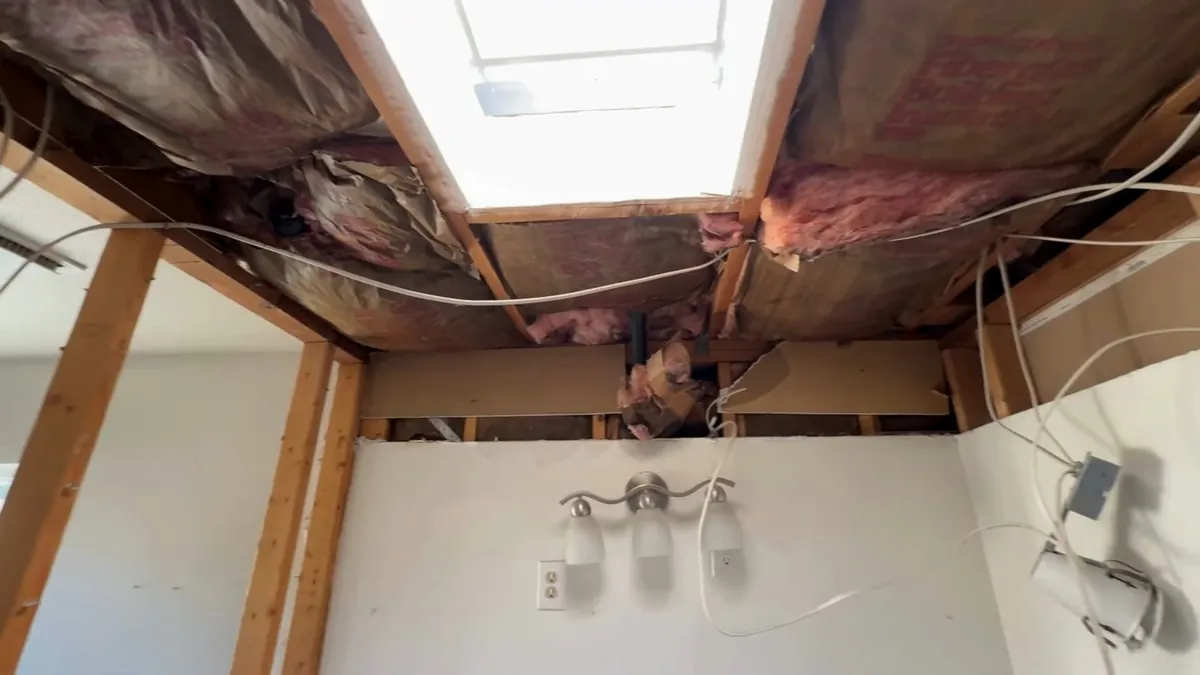
Hidden leaks are found with moisture meters and acoustic tools. The leak detection page explains how a plumber locates a leak before opening a wall, and the repiping page covers pipe that keeps failing.
Flooded Basement, Crawl Space and Whole-House Flooding
Flooding comes from different places. Where the water came from affects how the cleanup is handled.
Plumbing source
A burst supply line or failed appliance hose usually releases clean water, which is the easiest to dry.
Drain or sewer source
Backups carry contaminated water and need removal of porous materials. See sewage cleanup below.
Outside water
Storm water or runoff entering from outside is not a plumbing problem, and may need other trades.
Sewage Backup Cleanup: Why It Is Handled Differently
Water from a sewer or drain backup is contaminated. Porous materials such as carpet, padding and drywall that touched it are usually removed, not dried. Hard surfaces are cleaned and disinfected.
Keep children and pets out of the area, avoid skin contact and wear gloves and boots if you must enter. The sewer line page explains how a plumber finds and fixes the blockage that caused the backup. Cleanup should not start until that cause is dealt with, or the water will return.
Mold After Water Damage: Testing Questions and Removal
Mold can start growing on damp material within a couple of days. Fast drying is the surest way to stop it. If you see or smell mold, a test or an inspection can tell you where it is and how far it has spread. Mold removal means taking out affected material and cleaning the area, with the source of moisture fixed first.
No claim is made here about certification, promised outcomes or any state or county rule. Ask any company you hire what they do, in writing, before work begins.
Wet Walls or Floors? Get Drying Started
Local • Plumbing • 24/7 dispatchDispatch can arrange a plumber to stop the source and point you to the next step.
☎ (480) 581-1832Flooring, Carpet and Insurance Paperwork
Not every leak starts in a pipe. A roof leak, a ceiling stain from an air conditioner drain or an irrigation line can soak a room the same way, and the cause is found before drying starts. Condo and apartment owners should ask building management which pipes belong to them, since water often passes through shared walls. Commercial properties are outside what this page covers.
Air Movers, Dehumidifiers and How Long Drying Takes
Drying is a controlled process. Air movers push dry air across wet surfaces, and dehumidifiers pull moisture out of the air so it cannot settle back. Holes are sometimes drilled low in walls to dry the cavity, and baseboards may be lifted to let air in.
Most structures need several days of equipment time, and readings are taken each day. When the readings match dry reference material, the equipment comes out. Stopping early leaves hidden moisture, which is how odors and mold return weeks later.
- Daily moisture readings recorded in each wet area
- Equipment placed to move air across every wet surface
- Wall and floor cavities opened where moisture is trapped
- Equipment removed only after readings reach dry targets
Water Damage Questions Answered
How soon does water damage need to be dried?
As soon as the source is stopped. Material left wet for a day or two is much harder to save, and mold can begin within that time. Call right away and start removing standing water.
Is it a plumber or a drying crew that I need?
Both can be needed. A plumber stops and repairs the source. Drying and removal then deal with the water already in the structure. Tell dispatch what you see.
Should I keep damaged items for my insurer?
Yes, where it is safe. Photograph everything first and keep damaged items until the insurer has seen them or approved disposal.
Can water damage lead to mold?
It can. Damp drywall, insulation and carpet padding give mold the moisture it needs. Fast removal and drying lower the chance, and a plumber can fix the leak behind it.
Pages That Connect to Water Damage
If a pipe burst, see burst pipe repair. For a backup, see main sewer line work, and for finding a hidden source, leak detection page. Water that rose from a floor drain is a drain service question, a failed tank belongs with water heater fix guide, a broken yard pipe with water line work, and wet floors above a hidden pipe with the slab leak repair.
Water in the House? Call the Water Damage Line
Local • Plumbing • 24/7 dispatchTell dispatch where the water came from and which rooms are wet.
☎ (480) 581-1832- Licensed and insured plumbers
- Same-day service when available
- 24/7 emergency dispatch